Not sure when to spay or neuter your new pet? Take a look at the latest surgery recommendations.
Read more
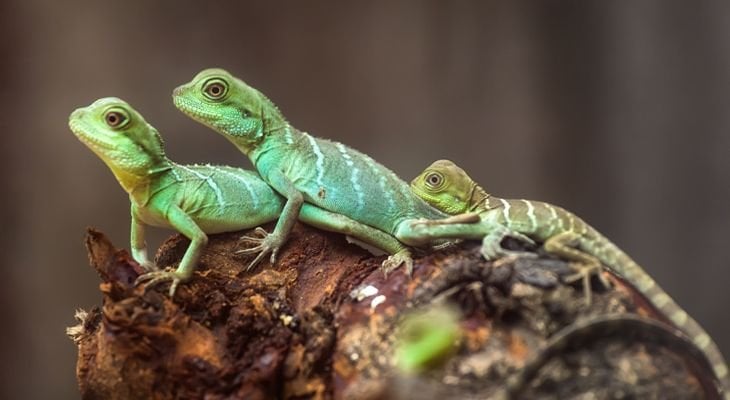
People with limited living quarters may find that reptiles such as lizards or turtles fit perfectly into their lifestyles. Before deciding on a reptile, learn as much as possible about them and their needs. Poisonous snakes and certain reptiles should never be kept as pets. Ask your veterinarian about the suitability of a particular animal before you make your decision. There are many things to consider before committing to a reptile as a pet.
Finding out if a Pet is Legal Where You Live
Many areas have enacted laws pertaining to keeping reptiles. Some are general and some are quite specific; in many places any reptiles that are considered dangerous (venomous snakes, alligators, etc.) are illegal but some places are even more restrictive (for example, in some states all constricting snakes including ball pythons are illegal).
Salmonella Risks and Prevention
All reptile owners need to be informed about Salmonella infections. While the risks shouldn't keep most people from keeping reptiles since with the proper management the risks are minimal. Still, owners should be aware of the risks, and the US Centers for Disease Control recommends that certain risk groups should be careful about contact with reptiles and amphibians.
The Importance of Light and Heat
Many problems with keeping reptiles can be traced back to not providing the proper environmental conditions, particularly heat. Proper lighting is also important for many reptiles. The equipment to provide the proper heat and light to captive reptiles is often quite expensive, but is absolutely essential to keeping pet reptiles healthy. It is important to find out exactly what conditions your reptile needs and never cut corners when it comes to meeting those conditions!
Why Choose Captive Bred Reptiles
There are numerous reasons why you should pick a captive bred reptile if at all possible, as explained here.
How to Pick a Healthy Reptile
It is important to keep in mind that depending on where you get a reptile, it may be very stressed, dehydrated, and prone to illness. Here are some items to look for when buying your reptile to increase the chances of picking out a healthy pet reptile.
While there are many types of reptiles that could be good pets, here we cover a few you could consider.
-
April Newsletter: At What Age Should You Spay or Neuter Your Pet?
Category: Newsletter Library
-
March Newsletter: Tips to Prevent Your Cat from Overgrooming
Category: Newsletter Library
Is your cat's overgrooming habit causing hair loss or irritated skin? Find out what you can do about the problem.
Read more -
March Newsletter: How and When to Introduce Solid Food to Your Kitten
Category: Newsletter Library
-
February Newsletter: What Causes Nausea in Cats?
Category: Newsletter Library
Think your cat may be nauseated? These conditions, illnesses and diseases could explain why your pet doesn't feel well.
Read more -
February Newsletter: The Benefits of Proper Nutrition for Pets
Category: Newsletter Library
-
January Newsletter: How Veterinarians Treat Arthritis in Dogs
Category: Newsletter Library
-
January Newsletter: How Your Veterinarian Can Help with Lameness
Category: Newsletter Library
-
December Newsletter: What Causes Stomatitis in Dogs?
Category: Newsletter Library
Does your dog have sores in its mouth? Stomatitis, an oral health condition, could be to blame. Dental cleanings and home dental care can help ease your pet's painful symptoms.
Read more -
December Newsletter: What is the 3-3-3 Rule When Adopting a New Pet?
Category: Newsletter Library
-
November Newsletter: What Causes Cataracts in Cats and How Are They Treated?
Category: Newsletter Library
-
November Newsletter: How to Celebrate National Senior Pet Month
Category: Newsletter Library
-
October Newsletter: The Importance of Daily Dog Walks
Category: Newsletter Library
-
October Newsletter: How to Care for Your Pets When They Are Teething
Category: Newsletter Library
-
September Newsletter: The Importance of Core Vaccines for Dogs
Category: Newsletter Library
-
September Newsletter: Dry Food vs. Wet Food: Which is Better for Your Cat?
Category: Newsletter Library
-
Does Your Cat Have a Grooming Problem?
Category: Newsletter Library, Cats
Noticed a sudden change in your cat's grooming habits? Over- or under-grooming can be a sign of trouble.
Read more
Welcome to Animal Hospital New Port Richey
Sign Up Using the Form Below or Call Us at 727-842-7350.
Office Hours
Our Regular Schedule
Animal Hospital of New Port Richey
Monday:
8:00 am-6:00 pm
Tuesday:
8:00 am-6:00 pm
Wednesday:
8:00 am-6:00 pm
Thursday:
8:00 am-6:00 pm
Friday:
8:00 am-6:00 pm
Saturday:
8:00 am-12:00 pm
Sunday:
Closed