727-842-7350

Menu
  • Home
  • About Us
    • Meet our team
    • Contact Us
  • Services
    • Wellness Plans
    • Wet Paws Parlor
  • Animal Wellness
  • New Patient Center
    • Online Forms
    • Payment Options
  • Testimonials
  • Blog
  • Veterinary Topics
    • Pet Health
      • Chronic Conditions
      • Digestive and Oral Health
      • Diseases and Viruses
      • Pests and Parasites
      • Orthopedics
    • Today's Veterinarian
    • Choosing Your Pet
      • Finding Your Pet
      • Cats
      • Dogs
      • Exotics
        • Reptiles
          • Lizards
          • Turtles
    • Living With Your Pet
      • Bringing Your Pet Home
      • Providing Care
      • Travel
      • Saying Goodbye
    • Newsletter Library
      • Cats
      • Tips for Pet Owners
      • Behavior & Training
      • Fleas & Parasites
      • Keeping Pets Healthy
      • Recognizing Illness
      • Nutrition & Food
      • Pet Dangers
      • Seasonal Topics
      • Visiting the Vet
      • Newsletter Archive
        • Fun with Pets
        • Unbelievable Pets
    • Video Newsroom
      • Health Topics
      • Technology and Science
      • Other Interests
    • Client Survey
    • Pets4Kids
  • Online Store
  • Home >
  • Articles >
  • Pet Health >
  • Hip Dysplasia

Hip Dysplasia

  • Created in Pet Health
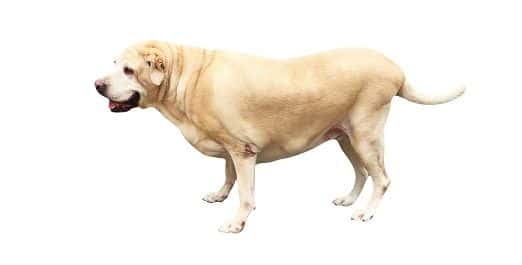
Image of dog standing.

Hip dysplasia is a congenital disease that, in its more severe form, can eventually cause lameness and painful arthritis of the joints. It is caused by a combination of genetic and environmental factors. It can be found in many animals and, rarely, humans, but is common in many dog breeds, particularly the larger breeds.

In the normal anatomy of the hip joint, the thigh bone (femur) joins the hip in the hip joint, specifically the caput ossis femoris. The almost spherical end of the femur articulates with the hip bone acetabulum, a partly cartilaginous mold into which the caput neatly fits. It is important that the weight of the body is carried on the bony part of the acetabulum, not on the cartilage part, because otherwise the caput can glide out of the acetabulum, which is very painful. Such a condition also may lead to maladaptation of the respective bones and poor articulation of the joint. In dogs, the problem almost always appears by the time the dog is 18 months old. The defect can be anywhere from mild to severely crippling. It can cause severe osteoarthritis eventually.

  • Pet Health
    • Chronic Conditions
    • Digestive and Oral Health
    • Diseases and Viruses
    • Pests and Parasites
    • Orthopedics
  • Today's Veterinarian
  • Choosing Your Pet
    • Finding Your Pet
    • Cats
    • Dogs
    • Exotics
      • Reptiles
        • Lizards
        • Turtles
  • Living With Your Pet
    • Bringing Your Pet Home
    • Providing Care
    • Travel
    • Saying Goodbye
  • Newsletter Library
    • Cats
    • Tips for Pet Owners
    • Behavior & Training
    • Fleas & Parasites
    • Keeping Pets Healthy
    • Recognizing Illness
    • Nutrition & Food
    • Pet Dangers
    • Seasonal Topics
    • Visiting the Vet
    • Newsletter Archive
      • Fun with Pets
      • Unbelievable Pets
  • Video Newsroom
    • Health Topics
    • Technology and Science
    • Other Interests
  • Client Survey
  • Pets4Kids

Welcome to Animal Hospital New Port Richey

Sign Up Using the Form Below or Call Us at 727-842-7350.

  • Services

    We will do our best to accommodate your busy schedule. Schedule an appointment today!
    View Services
  • Online Forms

    Our patient forms are available online so they can be completed in the convenience of your own home or office.
    View Forms

Office Hours

Our Regular Schedule

Animal Hospital of New Port Richey

Monday:

8:00 am-6:00 pm

Tuesday:

8:00 am-6:00 pm

Wednesday:

8:00 am-6:00 pm

Thursday:

8:00 am-6:00 pm

Friday:

8:00 am-6:00 pm

Saturday:

8:00 am-12:00 pm

Sunday:

Closed

Connect With Us

Location

Find us on the map

  • Copyright © 2026 MH Sub I, LLC dba iMatrix.
  • Admin Log In
  • Site Map