727-842-7350

Menu
  • Home
  • About Us
    • Meet our team
    • Contact Us
  • Services
    • Wellness Plans
    • Wet Paws Parlor
  • Animal Wellness
  • New Patient Center
    • Online Forms
    • Payment Options
  • Testimonials
  • Blog
  • Veterinary Topics
    • Pet Health
      • Chronic Conditions
      • Digestive and Oral Health
      • Diseases and Viruses
      • Pests and Parasites
      • Orthopedics
    • Today's Veterinarian
    • Choosing Your Pet
      • Finding Your Pet
      • Cats
      • Dogs
      • Exotics
        • Reptiles
          • Lizards
          • Turtles
    • Living With Your Pet
      • Bringing Your Pet Home
      • Providing Care
      • Travel
      • Saying Goodbye
    • Newsletter Library
      • Cats
      • Tips for Pet Owners
      • Behavior & Training
      • Fleas & Parasites
      • Keeping Pets Healthy
      • Recognizing Illness
      • Nutrition & Food
      • Pet Dangers
      • Seasonal Topics
      • Visiting the Vet
      • Newsletter Archive
        • Fun with Pets
        • Unbelievable Pets
    • Video Newsroom
      • Health Topics
      • Technology and Science
      • Other Interests
    • Client Survey
    • Pets4Kids
  • Online Store
  • Home >
  • Articles >
  • Pet Health >
  • Digestive and Oral Health >
  • Gastric Dilation Volvulus (GDV)

Gastric Dilation Volvulus (GDV)

  • Created in Pet Health, Digestive and Oral Health

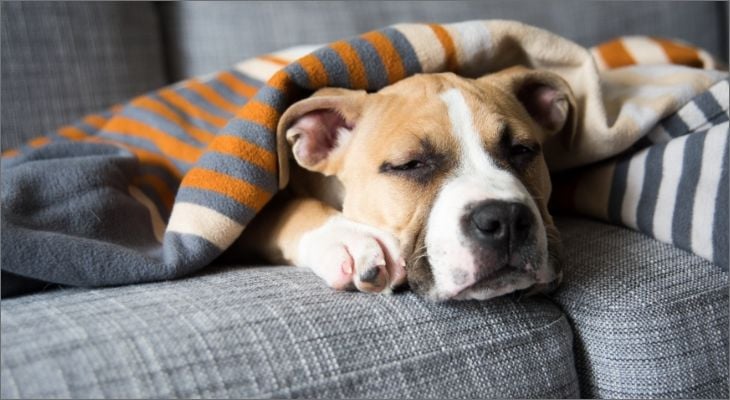
dog on couch

Gastric Dilation Volvulus (GDV) is a life threatening, acute condition that requires immediate medical attention. Certain breeds are more prone to this condition: Boxers, Great Danes, Standard Poodles, Saint Bernards, Irish Setters, Dobermans, Weimaraners and Gordon Setters. These breeds are considered deep-chested (large chest and narrow waist) but any similarly shaped dog can be at risk.

Diagnosis of GDV is made based on physical examination, history and abdominal x-rays. Often GDV happens when a pet eats a large meal and then becomes very active. Initially the dog may become restless, try to vomit or retch continuously but is unable to produce any vomit. This is because the stomach has twisted, preventing anything entering and exiting the digestive system. The pressure inside the stomach starts to increase and the dog may salivate and pant excessively. As the patient's condition progresses they become lethargic, have a swollen stomach and eventually collapse. If not treated, the internal organs can be damaged and without timely treatment this condition is fatal.

The goals of treatment are to reduce the pressure in the stomach and return the stomach to its normal position. During the surgery, the stomach and internal organs are examined for damage and then the stomach is attached to the body wall to prevent a reoccurrence.

Prophylactic suturing of the stomach is sometimes advised in breeds predisposed to GDV during abdominal surgeries for other causes. Other preventative measures include restriction of exercise before and after feeding. Feed twice a day instead of once a day and not to elevate food/water bowls.


  • Pet Health
    • Chronic Conditions
    • Digestive and Oral Health
    • Diseases and Viruses
    • Pests and Parasites
    • Orthopedics
  • Today's Veterinarian
  • Choosing Your Pet
    • Finding Your Pet
    • Cats
    • Dogs
    • Exotics
      • Reptiles
        • Lizards
        • Turtles
  • Living With Your Pet
    • Bringing Your Pet Home
    • Providing Care
    • Travel
    • Saying Goodbye
  • Newsletter Library
    • Cats
    • Tips for Pet Owners
    • Behavior & Training
    • Fleas & Parasites
    • Keeping Pets Healthy
    • Recognizing Illness
    • Nutrition & Food
    • Pet Dangers
    • Seasonal Topics
    • Visiting the Vet
    • Newsletter Archive
      • Fun with Pets
      • Unbelievable Pets
  • Video Newsroom
    • Health Topics
    • Technology and Science
    • Other Interests
  • Client Survey
  • Pets4Kids

Welcome to Animal Hospital New Port Richey

Sign Up Using the Form Below or Call Us at 727-842-7350.

  • Services

    We will do our best to accommodate your busy schedule. Schedule an appointment today!
    View Services
  • Online Forms

    Our patient forms are available online so they can be completed in the convenience of your own home or office.
    View Forms

Office Hours

Our Regular Schedule

Animal Hospital of New Port Richey

Monday:

8:00 am-6:00 pm

Tuesday:

8:00 am-6:00 pm

Wednesday:

8:00 am-6:00 pm

Thursday:

8:00 am-6:00 pm

Friday:

8:00 am-6:00 pm

Saturday:

8:00 am-12:00 pm

Sunday:

Closed

Connect With Us

Location

Find us on the map

  • Copyright © 2026 MH Sub I, LLC dba iMatrix.
  • Admin Log In
  • Site Map