727-842-7350

Menu
  • Home
  • About Us
    • Meet our team
    • Contact Us
  • Services
    • Wellness Plans
    • Wet Paws Parlor
  • Animal Wellness
  • New Patient Center
    • Online Forms
    • Payment Options
  • Testimonials
  • Blog
  • Veterinary Topics
    • Pet Health
      • Chronic Conditions
      • Digestive and Oral Health
      • Diseases and Viruses
      • Pests and Parasites
      • Orthopedics
    • Today's Veterinarian
    • Choosing Your Pet
      • Finding Your Pet
      • Cats
      • Dogs
      • Exotics
        • Reptiles
          • Lizards
          • Turtles
    • Living With Your Pet
      • Bringing Your Pet Home
      • Providing Care
      • Travel
      • Saying Goodbye
    • Newsletter Library
      • Cats
      • Tips for Pet Owners
      • Behavior & Training
      • Fleas & Parasites
      • Keeping Pets Healthy
      • Recognizing Illness
      • Nutrition & Food
      • Pet Dangers
      • Seasonal Topics
      • Visiting the Vet
      • Newsletter Archive
        • Fun with Pets
        • Unbelievable Pets
    • Video Newsroom
      • Health Topics
      • Technology and Science
      • Other Interests
    • Client Survey
    • Pets4Kids
  • Online Store
  • Home >
  • Articles >
  • Pet Health >
  • Diseases and Viruses >
  • Canine Distemper

Canine Distemper

  • Created in Pet Health, Diseases and Viruses

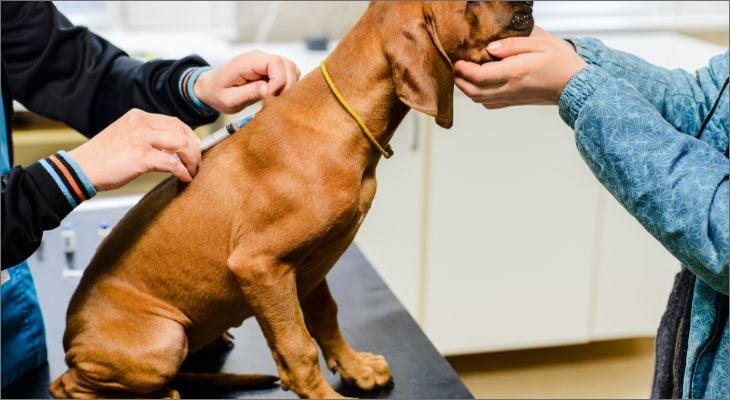
puppy getting examined

Canine distemper is caused by a virus that is shed in bodily fluids of infected animals. The virus affects primarily the lungs, intestines, and nervous system.

Symptoms of the infection can include coughing, diarrhea, vomiting, inappetance, dehydration, weight loss, seizures, and encephalitis. Secondary infections can present as discharge from the eyes and/or nose, and pneumonia. Puppies, especially those from shelters, are at the highest risk.

Currently there are no antiviral medications to treat canine distemper. Treatment is aimed at controlling secondary bacterial infections with antibiotics and supportive care as needed. Vaccination aimed at preventing distemper is the best strategy. Puppies should be isolated from other dogs until they have completed their series of vaccinations at 16 weeks of age.

  • Pet Health
    • Chronic Conditions
    • Digestive and Oral Health
    • Diseases and Viruses
    • Pests and Parasites
    • Orthopedics
  • Today's Veterinarian
  • Choosing Your Pet
    • Finding Your Pet
    • Cats
    • Dogs
    • Exotics
      • Reptiles
        • Lizards
        • Turtles
  • Living With Your Pet
    • Bringing Your Pet Home
    • Providing Care
    • Travel
    • Saying Goodbye
  • Newsletter Library
    • Cats
    • Tips for Pet Owners
    • Behavior & Training
    • Fleas & Parasites
    • Keeping Pets Healthy
    • Recognizing Illness
    • Nutrition & Food
    • Pet Dangers
    • Seasonal Topics
    • Visiting the Vet
    • Newsletter Archive
      • Fun with Pets
      • Unbelievable Pets
  • Video Newsroom
    • Health Topics
    • Technology and Science
    • Other Interests
  • Client Survey
  • Pets4Kids

Welcome to Animal Hospital New Port Richey

Sign Up Using the Form Below or Call Us at 727-842-7350.

  • Services

    We will do our best to accommodate your busy schedule. Schedule an appointment today!
    View Services
  • Online Forms

    Our patient forms are available online so they can be completed in the convenience of your own home or office.
    View Forms

Office Hours

Our Regular Schedule

Animal Hospital of New Port Richey

Monday:

8:00 am-6:00 pm

Tuesday:

8:00 am-6:00 pm

Wednesday:

8:00 am-6:00 pm

Thursday:

8:00 am-6:00 pm

Friday:

8:00 am-6:00 pm

Saturday:

8:00 am-12:00 pm

Sunday:

Closed

Connect With Us

Location

Find us on the map

  • Copyright © 2026 MH Sub I, LLC dba iMatrix.
  • Admin Log In
  • Site Map