727-842-7350

Menu
  • Home
  • About Us
    • Meet our team
    • Contact Us
  • Services
    • Wellness Plans
    • Wet Paws Parlor
  • Animal Wellness
  • New Patient Center
    • Online Forms
    • Payment Options
  • Testimonials
  • Blog
  • Veterinary Topics
    • Pet Health
      • Chronic Conditions
      • Digestive and Oral Health
      • Diseases and Viruses
      • Pests and Parasites
      • Orthopedics
    • Today's Veterinarian
    • Choosing Your Pet
      • Finding Your Pet
      • Cats
      • Dogs
      • Exotics
        • Reptiles
          • Lizards
          • Turtles
    • Living With Your Pet
      • Bringing Your Pet Home
      • Providing Care
      • Travel
      • Saying Goodbye
    • Newsletter Library
      • Cats
      • Tips for Pet Owners
      • Behavior & Training
      • Fleas & Parasites
      • Keeping Pets Healthy
      • Recognizing Illness
      • Nutrition & Food
      • Pet Dangers
      • Seasonal Topics
      • Visiting the Vet
      • Newsletter Archive
        • Fun with Pets
        • Unbelievable Pets
    • Video Newsroom
      • Health Topics
      • Technology and Science
      • Other Interests
    • Client Survey
    • Pets4Kids
  • Online Store
  • Home >
  • Articles >
  • Video Newsroom >
  • Other Interests >
  • Avoiding Dog Bites

Avoiding Dog Bites

  • Created in Video Newsroom, Other Interests
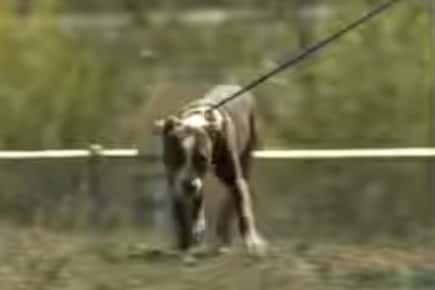
Image of dog on a leash

Each year almost 5 million dog bites are reported across North America and it is a rare evening on the nightly news when a dog attack is not reported. Yet, according to the Bureau of Labor Statistics, veterinarians and their staff make up a very small percentage of those bites in spite of their obvious risk factors. What can we learn from them to avoid being bitten by a dog?


According to veterinarian and behaviorist, Dr. Kersti Seksel, being aware of a dog's warning signs can help people avoid the dog's teeth. Almost everyone is aware that a growling dog who is baring his teeth is aggressive and likely to bite, but other warning signs might be less obvious and include raised hackles, overall tenseness, and even a slowly wagging tail. It would appear that veterinarians, veterinary technicians, and other veterinary personnel have learned to quickly read the dog's body language and adjust their movements and actions accordingly.

But not all dogs will read from the same book. Some pets have been punished for growling or snarling and therefore may provide little to no warning before lashing out at someone.

Prospective dog owners should research their desired breed and then take the time and effort to attend puppy socialization classes and even obedience training. If you have children in your household, their education should also be considered. Young children, especially young boys, should be taught never to approach a strange dog. Additionally, if the behavior of the dog seems to be unusual, teach children to stand still, keeping eyes downcast, and to remain quiet. Children should never run towards an unknown dog, even if the owner is present. Teaching children to ask an owner about petting a new dog can be a big step in avoiding potential dog bite situations.

For more information about avoiding dog bites, contact us about appropriate dog breeds and effective dog training.

  • Pet Health
    • Chronic Conditions
    • Digestive and Oral Health
    • Diseases and Viruses
    • Pests and Parasites
    • Orthopedics
  • Today's Veterinarian
  • Choosing Your Pet
    • Finding Your Pet
    • Cats
    • Dogs
    • Exotics
      • Reptiles
        • Lizards
        • Turtles
  • Living With Your Pet
    • Bringing Your Pet Home
    • Providing Care
    • Travel
    • Saying Goodbye
  • Newsletter Library
    • Cats
    • Tips for Pet Owners
    • Behavior & Training
    • Fleas & Parasites
    • Keeping Pets Healthy
    • Recognizing Illness
    • Nutrition & Food
    • Pet Dangers
    • Seasonal Topics
    • Visiting the Vet
    • Newsletter Archive
      • Fun with Pets
      • Unbelievable Pets
  • Video Newsroom
    • Health Topics
    • Technology and Science
    • Other Interests
  • Client Survey
  • Pets4Kids

Welcome to Animal Hospital New Port Richey

Sign Up Using the Form Below or Call Us at 727-842-7350.

  • Services

    We will do our best to accommodate your busy schedule. Schedule an appointment today!
    View Services
  • Online Forms

    Our patient forms are available online so they can be completed in the convenience of your own home or office.
    View Forms

Office Hours

Our Regular Schedule

Animal Hospital of New Port Richey

Monday:

8:00 am-6:00 pm

Tuesday:

8:00 am-6:00 pm

Wednesday:

8:00 am-6:00 pm

Thursday:

8:00 am-6:00 pm

Friday:

8:00 am-6:00 pm

Saturday:

8:00 am-12:00 pm

Sunday:

Closed

Connect With Us

Location

Find us on the map

  • Copyright © 2026 MH Sub I, LLC dba iMatrix.
  • Admin Log In
  • Site Map